Summary:
What Actually Changed in Premium Transportation Services
The shift happened quietly. Five years ago, booking a black car service meant phone calls, unclear pricing, and crossing your fingers that someone would show up. Today, the companies still operating that way are losing ground fast.
What replaced that model? Technology that removes guesswork. Real-time GPS tracking shows you exactly where your vehicle is. Flight monitoring systems automatically adjust pickup times when your plane is delayed. Direct communication threads connect you with your actual driver, not a dispatch center that may or may not relay your message.
The baseline expectations changed too. Fixed pricing isn’t a selling point anymore—it’s the minimum requirement. Passengers expect to know the cost upfront, see their driver’s location in real time, and receive proactive updates without having to ask. The companies that figured this out early are the ones thriving in 2026. The ones still making customers call for quotes are wondering where their business went.
How Flight Tracking Technology Eliminates the Delay Scramble
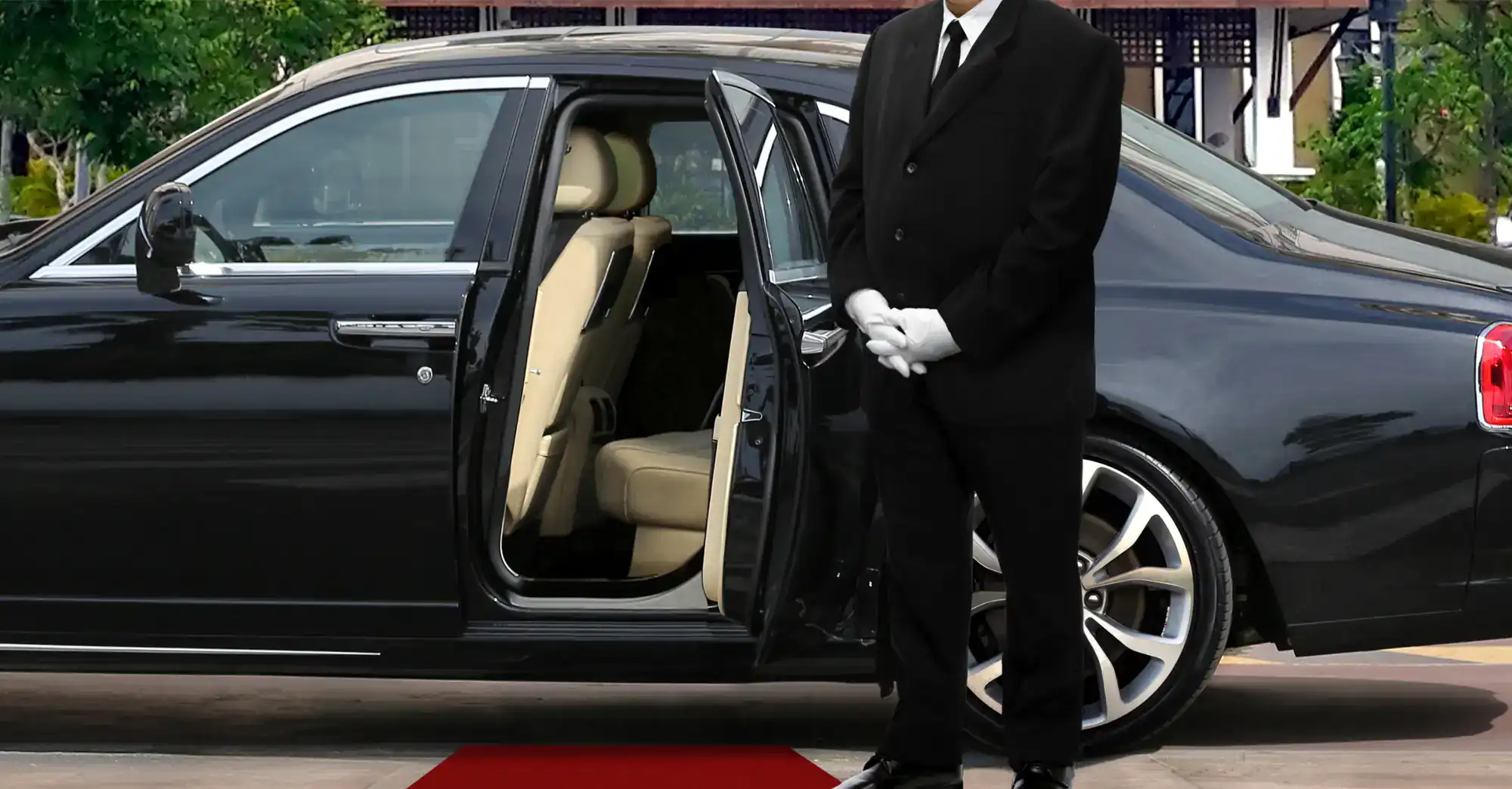
Newark Airport handles over 46 million passengers annually. Delays happen constantly. Weather, air traffic control issues, mechanical problems—your perfectly timed pickup becomes useless when your flight circles for an extra 45 minutes.
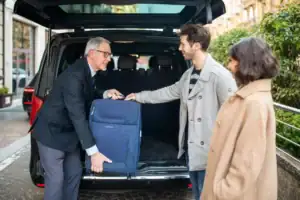
Here’s where the evolution matters. Modern black car services integrate flight tracking directly into their operations. Your driver receives updates automatically. When your flight is delayed, the pickup time adjusts without you making a single call. When you land early, your driver knows. No scrambling. No surge pricing because you need a ride right now instead of in 30 minutes.
This isn’t cutting-edge technology anymore. This is baseline service in 2026. The difference shows up in how companies implement it. Some just track the flight number and call it done. Better services monitor actual gate arrival, understand Newark’s terminal layouts, and position drivers based on real-time airport traffic patterns.
Think about what this eliminates. You’re not refreshing apps trying to find an available ride while your flight sits on the tarmac. You’re not paying premium rates because you need transportation during a delay surge. You’re not texting your driver asking if they know your flight is late. The system handles it. That’s the evolution—removing friction points that used to be considered normal parts of travel.
The companies that built these systems understand something fundamental about Newark travel. Unpredictability is the only constant. Weather changes. Traffic shifts. Events impact routes. Flight schedules are suggestions, not guarantees. Premium transportation in 2026 means your service adapts to reality instead of forcing you to manage the adaptation yourself.
Why Group Transportation Became the Sprinter Van's Moment
Try coordinating three separate Ubers for eight people with luggage. Someone’s driver cancels. Another gets stuck in traffic. The third arrives early and leaves because the wait time expired. Now you’re rebooking rides while your flight boards in 90 minutes. This scenario plays out daily at Newark Airport.
Sprinter vans solved a problem that rideshare services created. These Mercedes vehicles seat 6-14 passengers with individual leather seats, 6’4″ headroom, and actual cargo space for everyone’s luggage. One vehicle. One driver. One pickup time. The coordination nightmare disappears.
The evolution here isn’t just about vehicle size. It’s about recognizing that groups have different needs than solo travelers. Business teams heading to conferences need space to discuss presentations. Families need room for car seats and strollers. Artists traveling with equipment need cargo capacity and discretion. Wedding parties need everyone arriving together, not scattered across four vehicles that show up at different times.
Premium Sprinter van service in 2026 includes features that matter for group travel. Climate control that actually reaches the back rows. Wi-Fi that handles multiple devices. Power outlets so phones stay charged. Enough headroom that you’re not hunched over for the entire trip. These aren’t luxury additions—they’re functional requirements for groups who need to arrive together and ready for whatever comes next.
The pricing model changed too. Instead of multiplying per-person rideshare costs by eight people, you’re looking at one fixed rate for the vehicle. No surge multipliers. No separate charges when one person needs to be picked up at a different location. The math makes sense, especially when you factor in the reliability of having a professional driver who knows Newark’s airport procedures instead of hoping your rideshare driver can figure out Terminal C’s pickup zone.
What’s driving adoption? Corporate clients realized the cost of missed flights exceeds the cost of reliable transportation. Event planners learned that guest experience starts with airport pickup, not hotel check-in. Families discovered that traveling together actually means arriving together, not hoping everyone’s ride shows up on time. The Sprinter van became the solution because the problem was real and rideshares couldn’t solve it.
The Trust Factor: What Credentials Actually Mean in 2026
Anyone can put “professional transportation” on a website. The question is what backs up that claim. In 2026, credentials matter more than marketing copy because travelers learned to verify claims before booking.
TLC licensing means drivers passed background checks, completed training, and maintain certification standards. It’s not just a permit—it’s proof that someone qualified to operate professionally is behind the wheel. National Limousine Association membership indicates industry standards compliance. These aren’t decorative badges. They’re verifiable credentials that separate professional operations from side hustles.
Then there’s the level of trust that comes from work history. When a transportation company is certified to work with the United Nations and has handled Secret Service coordination for heads of state, that’s not marketing fluff. That’s demonstrable evidence of meeting security standards, operational reliability, and discretion requirements that most services will never encounter.

How Specialized Service for Artists Changed the Industry Standard
Artists have unusual requirements. Schedule changes happen constantly. Equipment needs vary. Discretion matters. Tour managers need drivers who understand that a 3 AM pickup isn’t unusual and that “the venue” means something different than “the airport.”
Services that built expertise in artist transportation learned lessons that improved service for everyone. Flexibility became standard instead of exceptional. Communication improved because artists need real-time updates, not callbacks in 24 hours. Equipment handling protocols developed for musical gear translated to better luggage management for all passengers.
The artist specialty also revealed something about premium service in general. Personalization isn’t about remembering someone’s preferred water brand. It’s about understanding their actual needs and adapting service delivery accordingly. A corporate executive needs quiet space for calls. A family needs patience with car seat installation. An artist needs flexibility when sound check runs long. Premium service in 2026 means recognizing these differences and adjusting without making it the customer’s problem.
This expertise shows up in unexpected ways. Drivers who work with artists understand that pickup locations change. They know that “we’re running 20 minutes behind” doesn’t mean cancel the ride—it means adjust the timing. They’ve learned that some passengers need conversation and others need silence. These skills transfer directly to serving business travelers, families, and anyone else who appreciates a driver who reads the situation instead of following a script.
The industry standard shifted because specialized service raised the bar. When you’ve coordinated transportation for touring musicians with complex equipment and changing schedules, handling a corporate airport run becomes straightforward. The flexibility, communication, and problem-solving skills developed for high-maintenance clients became baseline expectations for all clients. That’s how niche expertise evolved into industry-wide improvement.
What Live Tracking and Direct Communication Actually Solve
The old model: Call dispatch. Wait on hold. Leave a message. Hope someone calls back. Wonder if your driver got the update. Call again to confirm. This process consumed time and created anxiety.
Live GPS tracking eliminates the “where is my ride” call. You see the vehicle location in real time. You know the estimated arrival. When your driver is five minutes away, you get notified. No guessing. No calling dispatch for updates. The information is simply available when you need it.
Direct driver communication takes this further. Instead of playing telephone through a dispatch center, you’re connected directly with the person driving your vehicle. Flight lands early? Text your driver. Pickup location changed? Update them directly. Need to add a stop? Communicate the change to the person who needs to know it.
This evolution matters most when plans change. And plans always change. Weather impacts routes. Meetings run long. Flights get delayed. The ability to communicate directly with your driver means adjustments happen in real time instead of through a chain of calls that may or may not reach the right person before your scheduled pickup.
The transparency factor plays a role too. When you can see your driver’s location and communicate directly, trust builds naturally. You’re not wondering if someone will show up. You’re watching them approach. You’re not hoping your message reached the driver. You’re receiving confirmation directly from them. The anxiety that used to accompany ground transportation simply dissipates when information flows freely.
For group travel, this becomes even more critical. The person coordinating eight passengers needs to know the vehicle is on schedule. They need the ability to update the driver when someone is running five minutes behind. They need confirmation that luggage capacity will work. Direct communication makes these confirmations instant instead of requiring multiple calls to dispatch who then tries to reach the driver who may or may not respond before pickup time.
What changed in 2026 isn’t the technology itself—GPS tracking and messaging have existed for years. What changed is the expectation that these features are standard, not premium add-ons. Services that built their operations around transparency and direct communication became the baseline. Services still routing everything through dispatch centers became the exception, and not in a good way.
What Premium Transportation Means Now
The evolution of black car service isn’t about adding features. It’s about removing friction. Real-time tracking removes the anxiety of wondering where your ride is. Flight monitoring removes the scramble when delays happen. Fixed pricing removes the shock of surge rates. Direct communication removes the frustration of playing telephone through dispatch.
Premium transportation in 2026 means your service adapts to reality instead of forcing you to manage every adjustment. It means your driver knows Newark Airport’s procedures because they’ve handled hundreds of pickups there, not because GPS directed them to Terminal C. It means your group travels together in one vehicle instead of coordinating multiple rides and hoping everyone arrives on time.
We understand something fundamental. Travelers don’t want theatrical luxury. They want reliable transportation that works when plans change, communicates clearly, and treats their time as valuable. That’s what premium means now. At Black Car New Jersey, we’ve spent 18 years building exactly this kind of service—the kind that actually delivers on these expectations for Newark airport transportation.